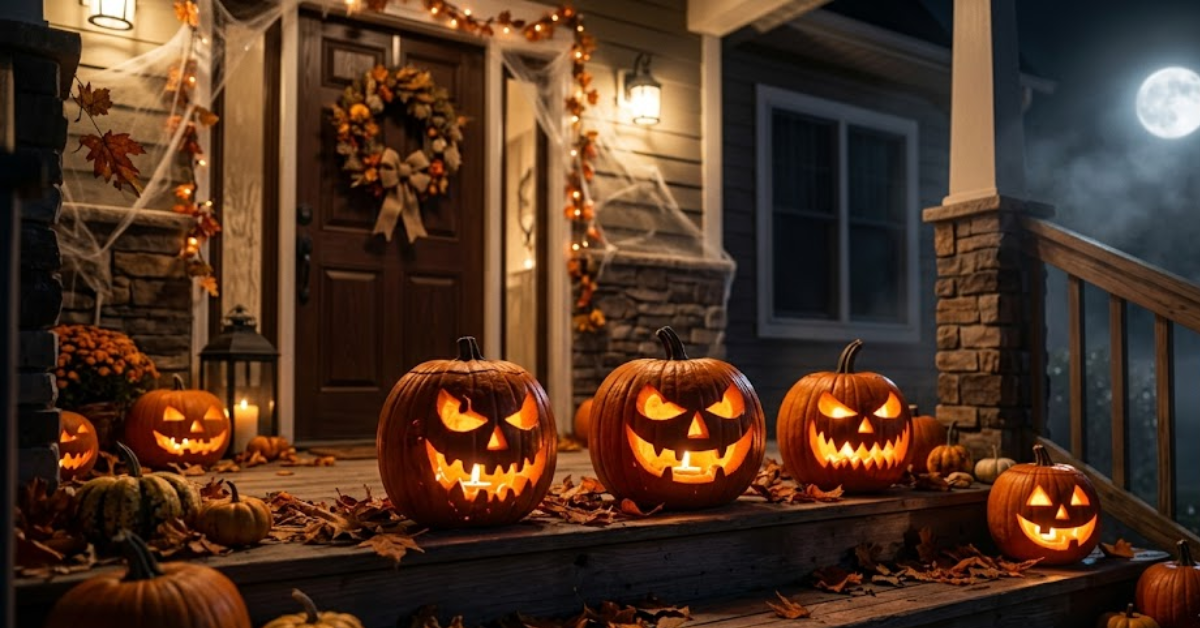
Every October, glowing faces appear on porches across America. The reason we carve pumpkins comes down to an old Irish legend about a man named Stingy Jack and a deal gone wrong with the Devil.
What began as a way to scare off a wandering soul is now one of the most loved fall traditions in the country. Here is the full story behind the jack-o’-lantern, from a medieval bog myth to the carving contests we hold today.
The Quick Answer
We carve pumpkins because of an Irish folk tale about Stingy Jack, a trickster doomed to roam the earth with only a glowing coal for light. People carved scary faces into turnips to keep his spirit away from their homes.
When Irish immigrants reached America, they swapped turnips for the bigger, easier-to-carve pumpkin. The custom stuck and became the jack-o’-lantern we know today.
The Legend of Stingy Jack
The jack-o’-lantern traces back to a ghostly figure the Irish called “Stingy Jack.” He was a clever, hard-drinking man who loved a good trick, and his greed is what got him into trouble.
One night Jack invited the Devil for a drink and talked him into turning into a coin to pay. Instead of paying, Jack pocketed the coin next to a silver cross, trapping the Devil so he could not change back. He freed him only after the Devil promised never to claim his soul.
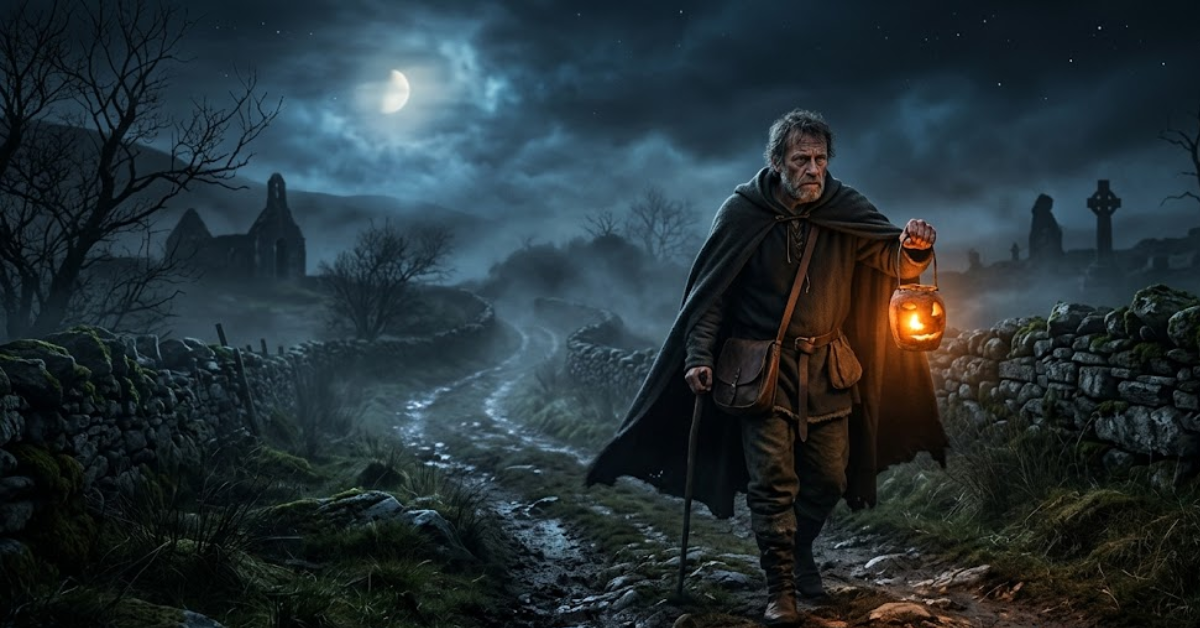
Jack kept fooling the Devil for years, striking one deal after another. The story is common to many oral traditions, and in some versions he is called “Drunk Jack” instead, but the lesson stays the same: do not try to cheat the Devil.
When Jack finally died, the story takes a dark turn:
- Heaven refused him because of his selfish, sinful life.
- The Devil kept his word and would not take him into hell.
- Jack was left to wander the dark with only a burning coal the Devil tossed him.
Jack placed the coal inside a hollowed-out turnip to make a crude lantern, and he has supposedly roamed ever since. The Irish began calling him “Jack of the Lantern,” which over time shortened to “jack-o’-lantern.”
The Real Spark Behind the Myth
The legend likely grew out of something people actually saw with their own eyes. Travelers crossing peat bogs, swamps, and marshes sometimes spotted faint, flickering lights hovering over the ground at night.
These eerie glows are caused by gases released from rotting plant matter. With no science to explain them, people invented stories instead.
Folklore across Europe gave the sight many names:
- Will-o’-the-wisp
- Ignis fatuus, meaning “foolish fire”
- Jack-o’-lantern, in Ireland and parts of England
In Ireland, people tied the flickering light directly to Jack and his lonely lantern. A natural phenomenon and a moral tale about greed slowly grew together into one story.
From Turnips to Pumpkins
Here is the part most people get wrong: the first jack-o’-lanterns were not pumpkins at all. In Ireland and Scotland, families carved frightening faces into whatever root vegetables they had on hand.
Common choices included:
- Turnips
- Potatoes
- Beets
- Mangelwurzels, a large root vegetable grown for animal feed
They placed these carved lanterns in windows and doorways to scare off Stingy Jack and other unwelcome spirits. The faces were meant to look as frightening as possible.
Everything changed in the 19th century. As Irish immigrants fled famine and arrived in the United States, they found the pumpkin, a plant native to North America that was bigger, softer, and far easier to hollow out and carve.
The orange gourd quickly became the new canvas, and the modern jack-o’-lantern was born. For many of those early immigrants, keeping up traditions like carving lanterns was also a way to stay connected to family and home back in Ireland.
The New England Pumpkin “Trick”
The pumpkin had a second path into Halloween that often gets left out of the story. In rural New England during the 1800s, the jack-o’-lantern was less about warding off spirits and more about plain mischief.
Kids would steal pumpkins from a farmer’s field, carve a scary face, light it up, and use it to spook their neighbors. They floated the glowing faces outside windows or popped them up from behind stone walls at night.
Because the lantern seemed to appear and vanish so quickly, the prank itself became known as the “jack-o’-lantern trick.” A few details made the pumpkin perfect for it:
- The big Connecticut field pumpkin was cheap and plentiful.
- It was grown mostly for animal feed, so it was easy to grab.
- It simply looked great glowing in the dark.
How It Connects to Samhain and Halloween
The jack-o’-lantern did not appear on its own. It grew out of the ancient Celtic festival of Samhain, held in Britain and Ireland to mark the end of the harvest and the start of the new year on November 1.
People believed the line between the living and the dead grew thin during Samhain, and that spirits could cross back into our world. Carved lanterns, bonfires, and disguises were all ways to stay safe from anything that wandered through.
Later, the Catholic Church placed All Saints’ Day on November 1, and the night before became “All Hallows’ Eve,” which we now call Halloween. As the holiday spread through Ireland, the UK, and eventually America, the jack-o’-lantern came along for the ride.
How Pumpkin Carving Became a Halloween Staple
Halloween grew quickly across America in the 20th century, and pumpkin carving grew right along with it. The carved pumpkin moved from a folk custom into a national tradition for a few clear reasons.
Here is what helped it spread:
- Mass media: newspapers, magazines, and postcards spread the carved pumpkin image like an early version of social media.
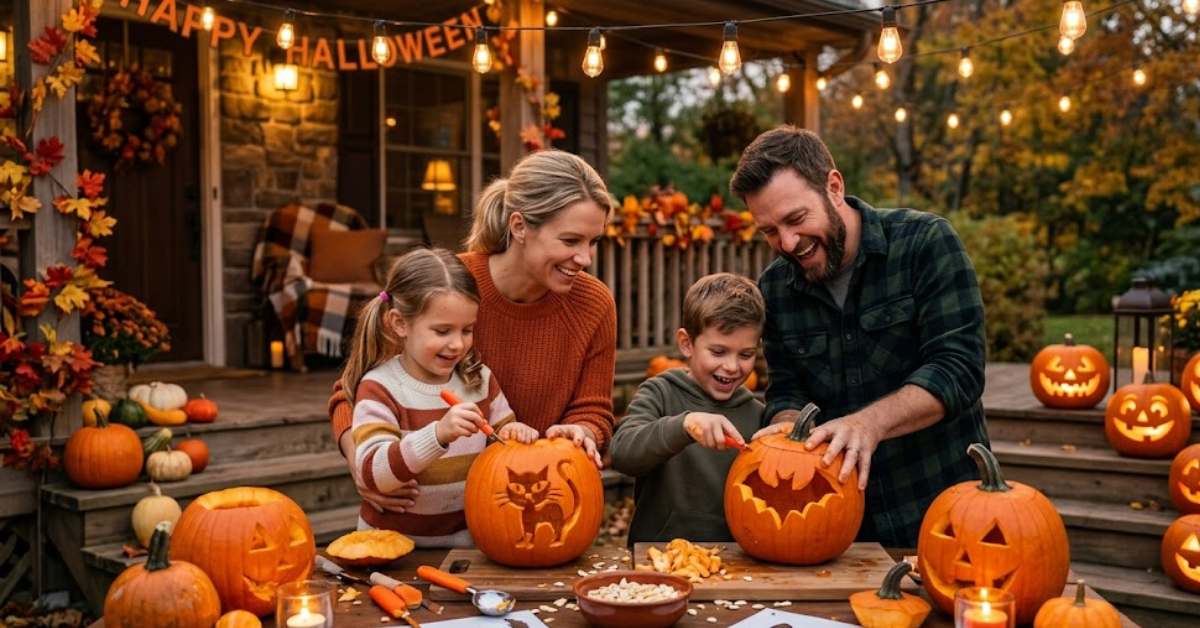
- Family bonding: carving became a hands-on activity that parents and kids could share each fall.
- Neighborhood culture: a lit pumpkin on the porch became a friendly signal that a home welcomed trick-or-treaters.
Today the tradition has moved far beyond a candle and a kitchen knife. Carvers use printed stencils, power tools, LED lights, and even paint to create everything from classic toothy grins to detailed portraits and pop-culture scenes.
Fun Facts About Jack-o’-Lanterns
A few things you can share with friends and family while you carve this year:
- Competition pumpkins grown for size can weigh well over 2,000 pounds.
- The triangle eyes and jagged smile remain the most carved design year after year.
- Cutting the hole in the bottom or back, and keeping the stem intact, helps your pumpkin last much longer.
- Cinderella’s famous pumpkin carriage came from a French version of the tale, not the original Brothers Grimm story.
These small details make great conversation starters at any Halloween party or carving night.
Carve Your Own Story This Halloween
The next time you scoop out a pumpkin and cut a glowing grin into it, you are joining a tradition that runs from medieval Irish bogs to New England farms to your own front porch. Not bad for a story about a man who once tried to cheat the Devil.
If all this has you ready to grab a carving knife, the best part of the season is doing it alongside other people. You can find local pumpkin carving events, fresh costume and decoration ideas, and family-friendly Halloween gatherings happening across the country at Halloween Events USA.
Light up your porch, share your creation, and let Halloween Events USA help you make this October one to remember.