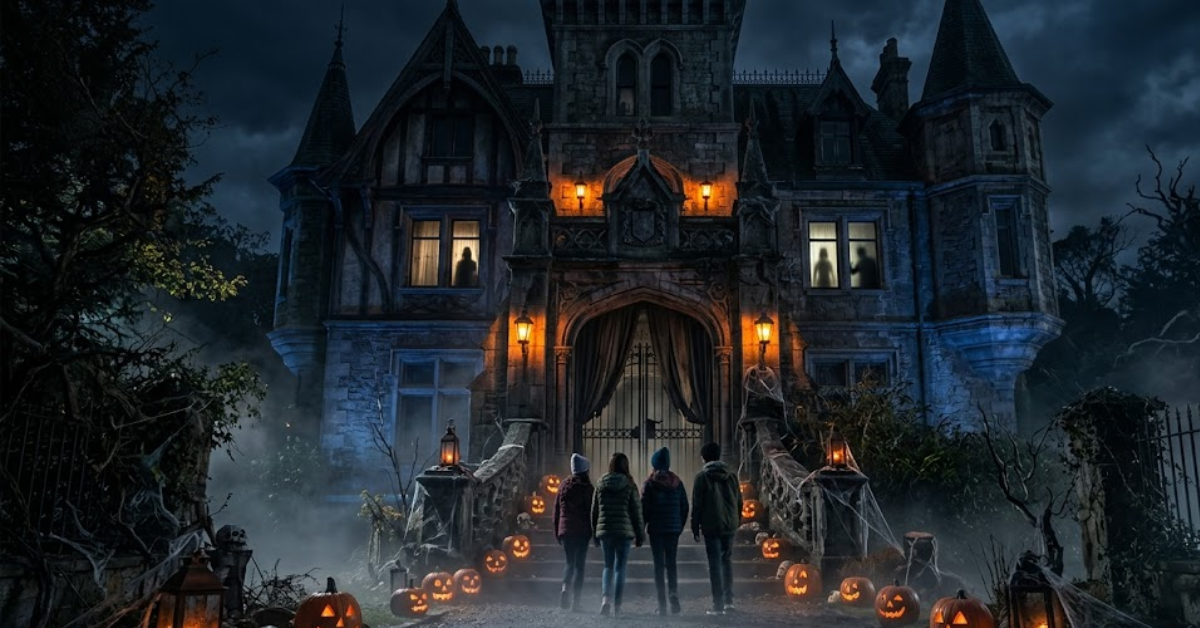
Walking into your first haunted house is equal parts thrilling and terrifying. Your heart races, your palms sweat, and a small voice keeps asking if turning back is still an option.
That nervous feeling is completely normal, and it is exactly why these attractions stay so popular every October. This guide walks you through what happens before, during, and after your visit, so you can enjoy the scares instead of dreading them.
What Is a Haunted House Attraction?
A haunted house is a designed scare experience where you walk through themed rooms or trails while costumed actors and special effects try to frighten you. It is part live performance, part obstacle course, and part pure adrenaline rush.
Not every attraction feels the same, so knowing the format ahead of time helps you pick one that matches your comfort level. The four main types are:
- Indoor walkthroughs: Themed rooms with tight corridors and heavy fog.
- Outdoor haunted trails: Wooded paths with scares hidden among the trees.
- Scare mazes: Maze layouts where getting briefly lost is part of the fear.
- Haunted hayrides: A wagon ride through staged scenes, usually milder and great for groups.
Indoor houses tend to feel more enclosed, while trails and hayrides give you open space. First-timers who get nervous in tight rooms often prefer starting with a hayride before working up to an indoor haunt.
Before You Go: What To Expect At A Haunted House
A little preparation makes a big difference. Most of the stress people feel comes from showing up unsure of the rules, the timing, or what to wear.
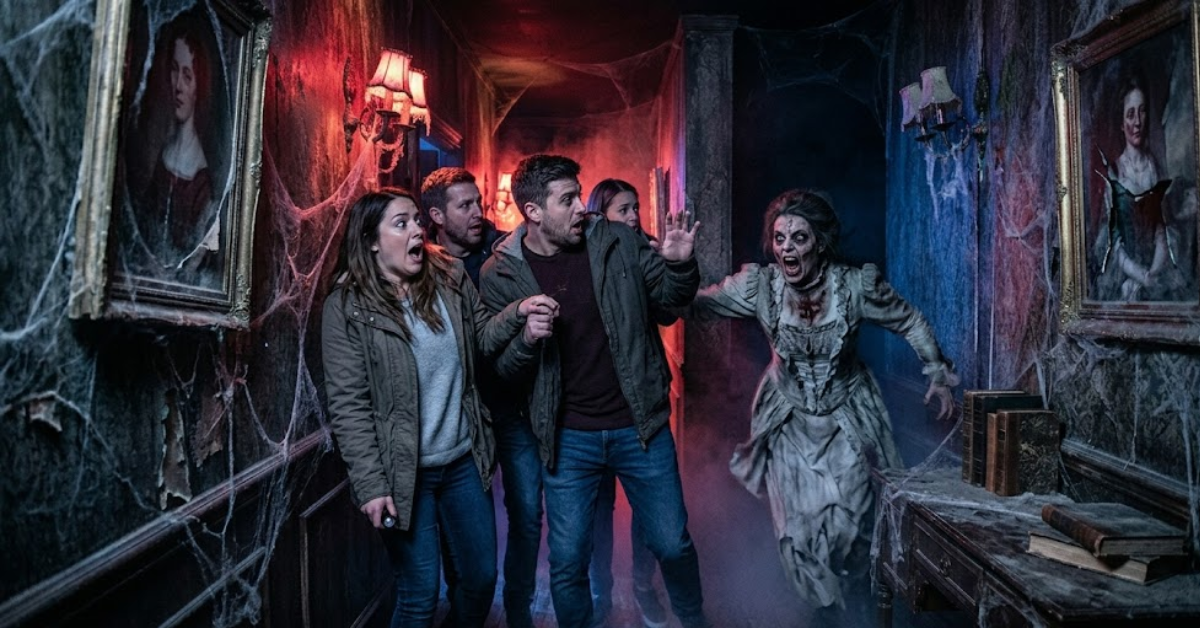
Buy tickets online whenever you can, since door lines run long on peak October weekends and timed slots sell out fast. Booking ahead also saves you from waiting in the cold for an hour before the real fun even begins.
A few things to sort out before you arrive:
- Check age and height rules, as many serious haunts recommend ages 13 and up.
- Confirm waiver requirements, since extreme haunts often need a signed form.
- Plan your group, because going with friends almost always feels safer than going solo.
What you wear matters more than people expect. Closed-toe flat shoes handle uneven floors far better than sandals or heels, and layers you can move in beat long flowing costumes that snag on props. Leave loose jewelry and anything you cannot afford to drop at home, since the dark swallows small items quickly.
What Happens Inside
This is the part everyone wants to know about. The experience is built to keep you off balance, so the design plays with all of your senses at the same time.
Expect near-total darkness broken up by strobe lights and colored spotlights, with fog machines limiting how far you can see ahead. The disorientation is intentional, and it makes every corner feel uncertain even though the layout is completely safe.
Costumed actors are the heart of the experience, and they work in a few predictable ways:
- They hide in shadows and pop out from hidden panels.
- They quietly follow behind you before disappearing.
- They get close and talk to build slow dread rather than a jump scare.
One question first-timers always ask is whether the actors are allowed to touch you. At the large majority of haunted houses, the answer is no. Standard haunts hold a strict no-touch policy in both directions, meaning you should never touch the actors and they will not grab you. Only extreme or full-contact haunts allow physical interaction, and those always require a waiver you agree to in advance.
Beyond the visuals, pay attention to sound and smell. Loud noises, chainsaw revs, screams, and unsettling music are standard, and some haunts add scents like damp earth or smoke to deepen the mood.
Common Fears and How to Handle Them
Knowing your triggers ahead of time helps you stay in control. Almost every common fear has a simple fix that keeps the night enjoyable rather than overwhelming.
Here is how to handle the big ones:
- Fear of the dark: Staff can see you even when you cannot see well, so the darkness is a tool, not a danger.
- Claustrophobia: Choose outdoor trails or hayrides, or stay in the middle of your group when indoors.
- Feeling overwhelmed: Most haunts have marked exits, staff stationed throughout, and often a safe word that gets you out calmly.
There is no shame in tapping out early. The goal of the night is fun, not endurance, and good staff will guide you out the moment you ask.
Haunted House Etiquette
Haunted houses run on a few unspoken rules that keep everyone safe and keep the scares working. Following them marks you as a respectful guest and makes the experience better for the whole group.
Keep these basics in mind:
- Do not touch the actors, since grabbing them can get you removed.
- Keep phones away, because screen light and flash ruin the atmosphere for others.
- Stay with your group and avoid wandering off alone.
- Do not push or run, as dark uneven floors cause most minor injuries.
A helpful mindset is to treat the whole thing like live theater that happens to be terrifying. Respect the performance and it gives back a far better scare.
Tips for First-Timers
These small tactics make your first visit smoother and a lot more enjoyable. The people who have the best time are usually the ones who lean into the fun instead of fighting it.
Position yourself in the middle of your group rather than the front or the back. The lead person triggers most scares and the last person often gets followed, so the middle is the sweet spot for anyone easing in.
A few more habits that help:
- Keep moving at a steady pace so actors have less time to work on you.
- Breathe and turn your screams into laughs to reset your nerves instantly.
- Pick a slower weeknight for shorter lines and a calmer crowd.
Family Friendly vs Extreme Haunts
Choosing the right intensity is the single most important decision you will make. Picking a haunt that matches your group keeps the night memorable for the right reasons.
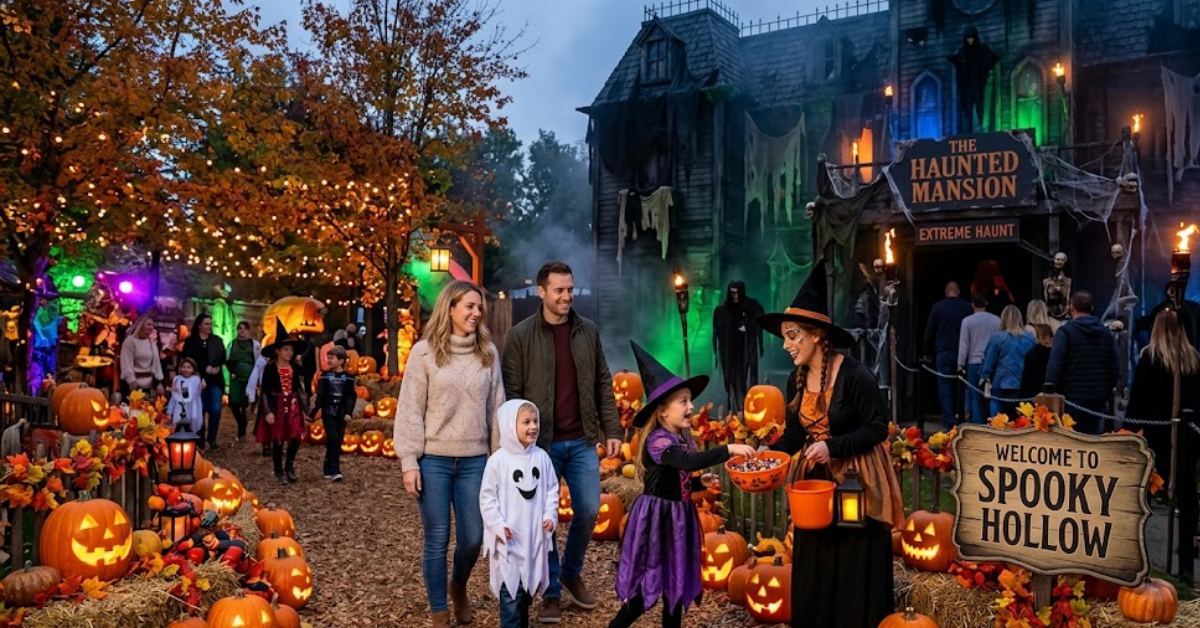
Family friendly haunts focus on fun spooks rather than genuine terror. Many offer daytime or early evening “no-scare” hours where actors stay friendly, lights stay brighter, and young kids can explore without fear, which makes them perfect for easing children into the season.
Extreme haunts sit at the opposite end, and they are a different experience entirely:
- Intense physical and psychological scares.
- Full-contact actors who can grab or separate you.
- Mandatory waivers you sign before entering.
First-timers should skip extreme haunts until they know how they react to milder attractions. Start mild, see what you enjoy, and level up next season once you have a few standard haunts under your belt.
Your First Scare Awaits
You now know what to expect at a haunted house, from the fog and darkness to the actors, the etiquette, and the smart positioning that keeps the night fun. The nerves you feel walking in are part of the experience, and they fade fast once you start laughing through the scares.
The best way to enjoy your first haunt is to pick the right one for your comfort level and go in prepared. Halloween Events USA brings together haunted house events, family friendly gatherings, and the top spooky attractions across the country in one place, so you can find a haunt near you and step into your first scare with confidence this Halloween season.